





Manchester United have revealed the location for their proposed new 100,000 seater stadium.
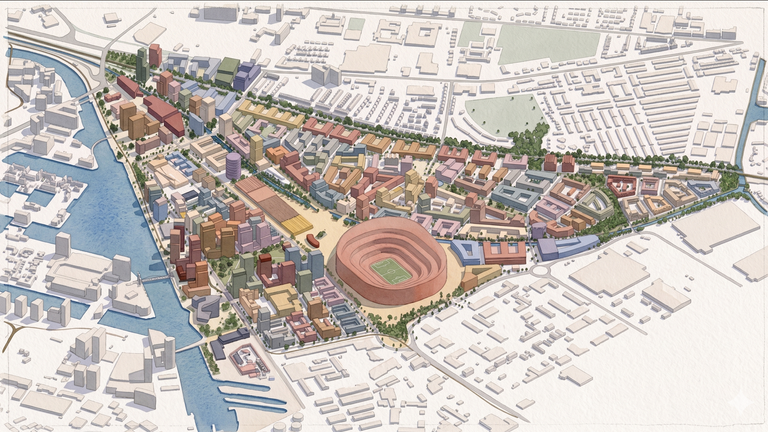
The ground will sit approximately 350 metres north-west of the existing Old Trafford stadium, although it has not yet been decided what the future of the current ground will be.
Just over two weeks ago, the club announced they had acquired most of the land for the stadium, which is set to be the largest in the UK.
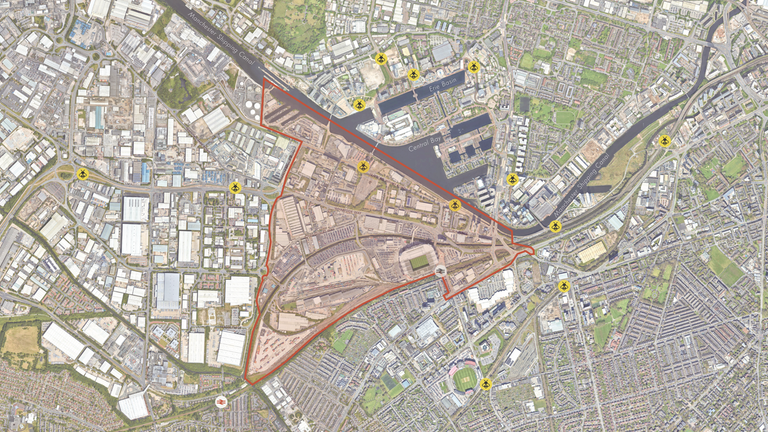
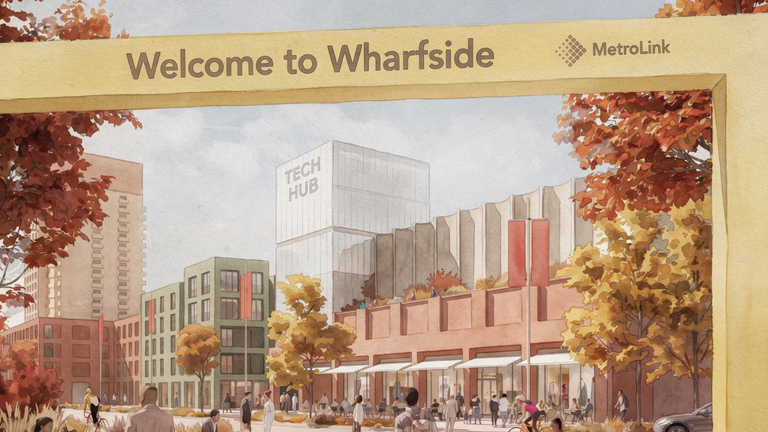
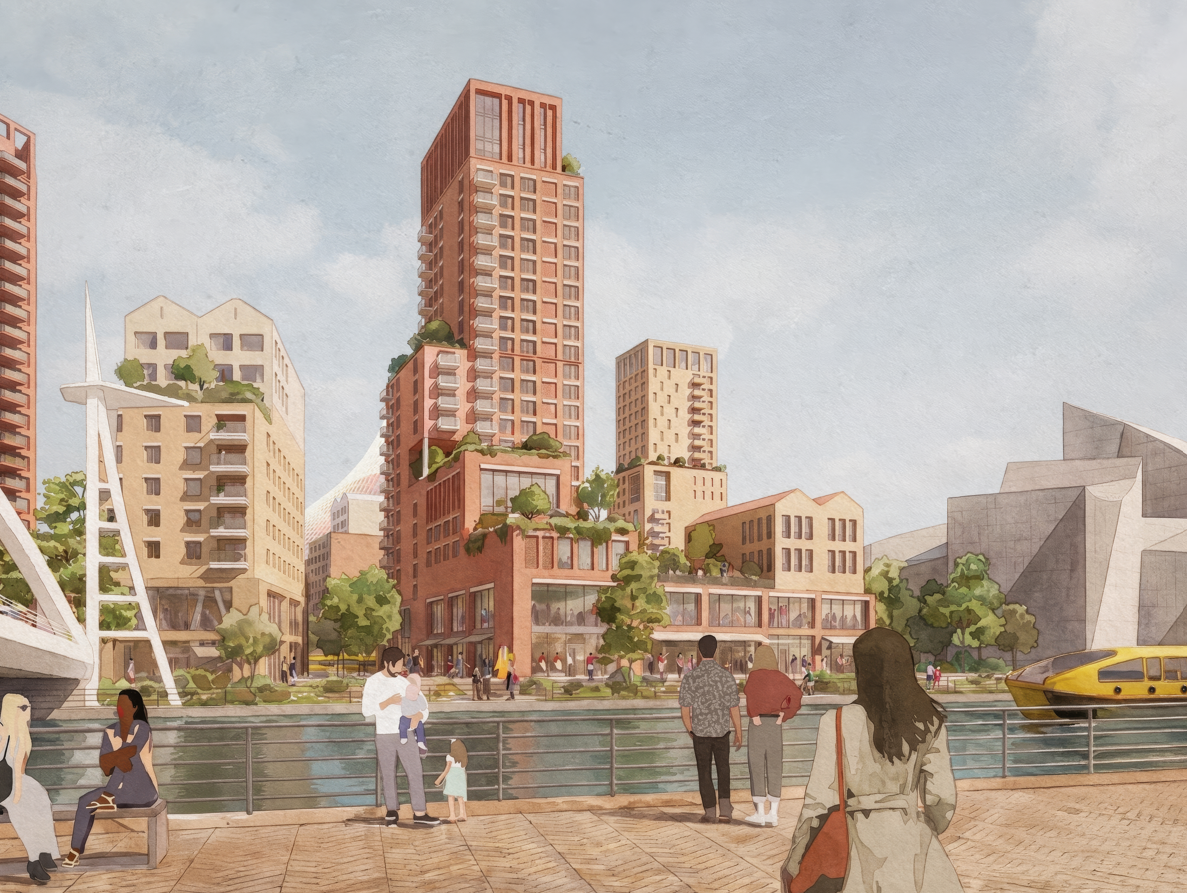
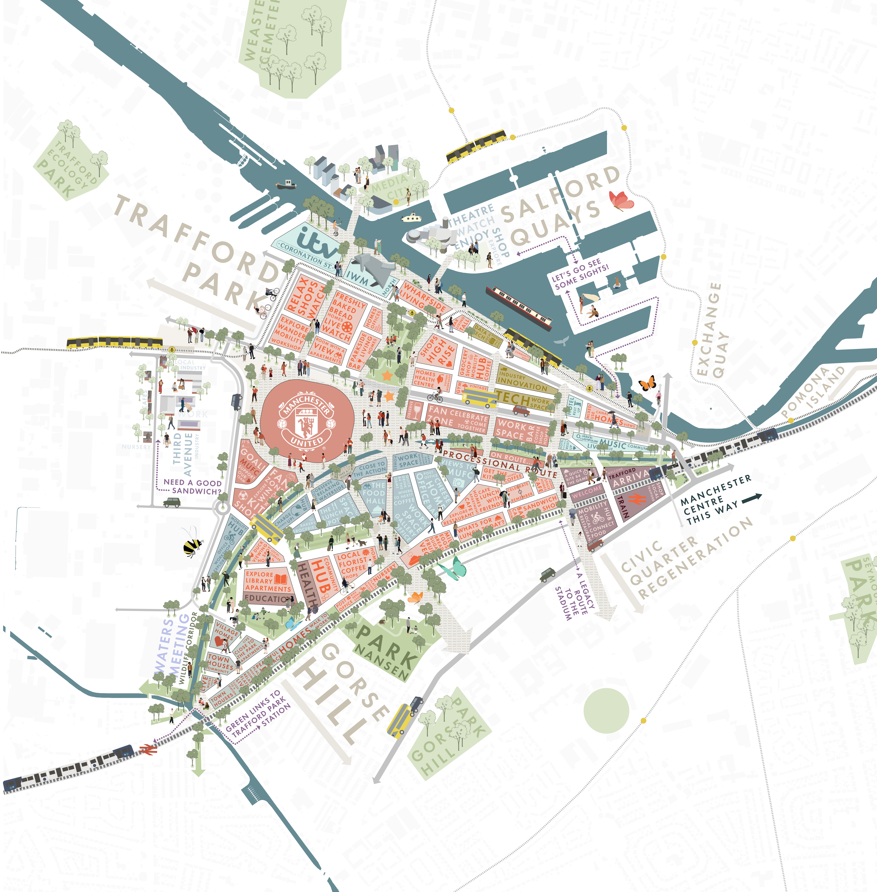
Man Utd have now revealed more about the regeneration of the Trafford Wharfside area - the area around the club's current home - with the new ground the flagship of the Wharfside Masterplan.
It is set to be a year-round hub for sports and entertainment along with the building of thousands of new homes. It will come alongside improved public transport links, as well as opportunities for walking and cycling.
The plan needs to be approved by Trafford Council, which is set to take place on July 20. If they do, there will then be an eight-week consultation period from July 28 to September 22, with events across the area for people to view the masterplan and share their views.
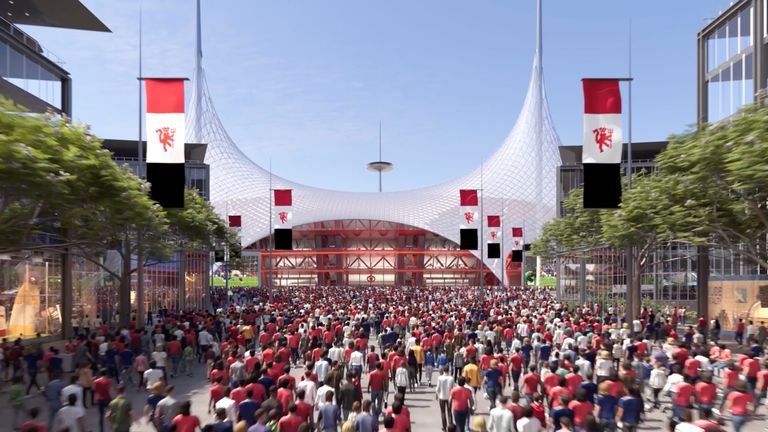
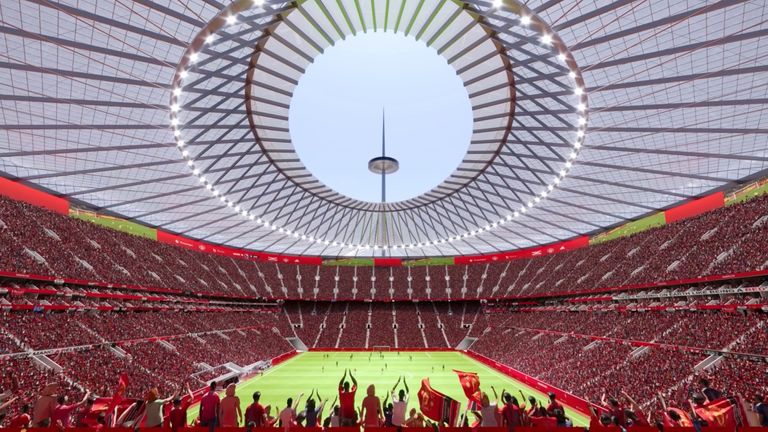
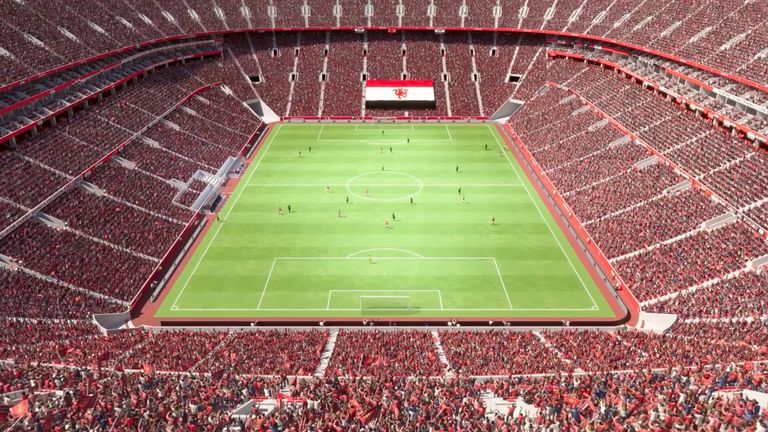
Among the latest release were pictures of what the new Trafford Wharfside might look like, although the club added these were not final and subject to change.
How Man Utd have solved a geographical dilemma
Analysis from Sky Sports News' Ben Ransom at Old Trafford:
"It's a really significant day in the future and history of Manchester United because the club have revealed where they intend to build this new stadium.
"It's a 100,000 seater stadium and it will be the biggest in the UK - that's their ambition. They are not scaling back on that side of things and getting hold of the land has unlocked these plans that the council have unveiled. There's no cost being put on it at the moment... and they very much want this to kick start the next era for Manchester United.
"What they're trying to do is completely reinvigorate this side of the city and the interesting part from Manchester United's point of view is one of the big problems with regenerating Old Trafford is the geography.
"There are railway lines running alongside it and a canal on the other. The distance between the stadium and the canal on one corner is a matter of metres.
"To get around that problem of scale and size, they've moved their plans across the canal onto a triangle of land. There's a go kart track and some other industrial units on that parcel of land now. They want that to be the catalyst to regenerate this whole area.
"In terms of timescale, it was a question that no one could specifically answer… but Collette Roche [CEO of the New Stadium Development] told me that their ambition is to have a fully working and operational stadium in time so they can be part of the bid to host the Women's World Cup in 2035.
"She wants it built sooner, she wants Premier League football there before that date, but in real terms nothing can happen for at least a year because they have to have consolations and have their planning applications approved.
"And, of course, settle on the final designs. Now they have a site, they can start to create a design to put out to fans as part of the consolations and plans on what a new Old Trafford will look like."
More details on 'New Trafford'
United have spent the last 115 years at Old Trafford, which currently holds nearly 74,000 spectators, and are expected to continue to play at Old Trafford while the new stadium is built.
The new stadium, referred to as 'New Trafford' in a briefing document, will feature an umbrella design which, according to its architects, will harvest solar energy and rainwater. It will take five years to construct.
It will also include three masts that will make it visible from 40km away.
In an intriguing aside, United believe the new stadium will therefore be visible, on a clear day, from 'the outskirts of Liverpool'.
What Man Utd's new stadium will look like...
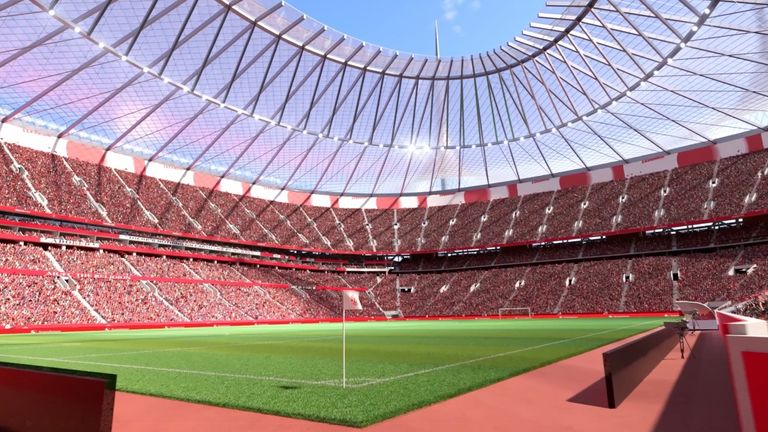
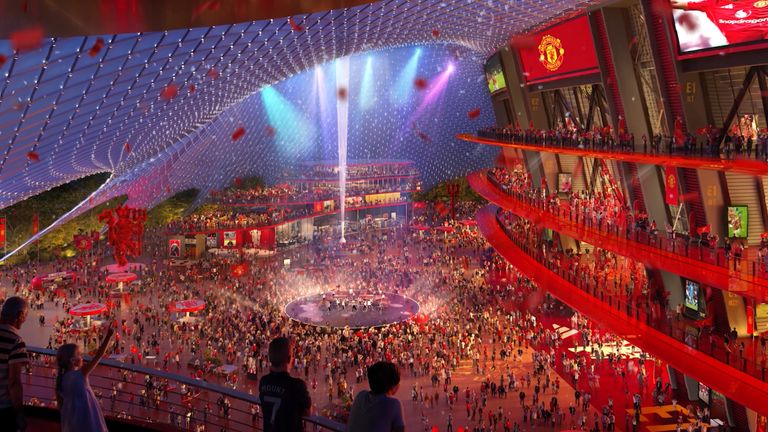
Pictures courtesy of Manchester United
Where will Man Utd's new stadium rank?
At 100,000 capacity, Manchester United's proposed new stadium will rank as the second-biggest in Europe, behind only Barcelona's Camp Nou, which is being taken up to 105,000 by restoration works.
It will be the biggest in England, overtaking Wembley Stadium which has a capacity of 90,000.
Old Trafford's current capacity is 74,879.
The New Stretford End alone will have a capacity of 23,500, distributed over lower and upper tiers.


